
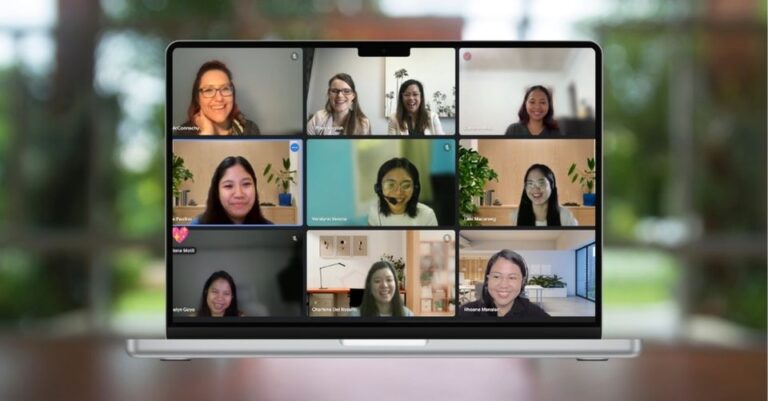
When teams aren’t in the same room, you lose the “in-between moments” or the moments that naturally keep everyone informed: overhearing priorities, picking up small risks early, sensing workload pressure and solving issues before they become problems.
That’s where huddles come in.
Huddles aren’t “more meetings”. They’re short, purposeful touchpoints designed to reduce confusion, prevent rework and keep the team moving in the same direction – even across time zones.
Below are the core huddles thriving remote teams don’t skip, plus a few optional ones that high-performing teams rely on when it matters most.
Quick daily huddle
Purpose: A quick pulse check to keep everyone aligned, celebrate wins and surface anything urgent before it becomes a fire. Works best when scheduled first thing in the morning.
Duration: <10 minutes
It covers:
Quick metrics from yesterday – the 3 numbers that matter most (e.g. leads generated, calls completed, tickets closed, or % progress on key project tasks).
Wins from yesterday: progress, shout-outs, client praise or milestones hit.
Urgent raises: blockers, risks and time-sensitive issues the team needs to know.
Rules to keep it sharp: if it needs debate, park it and take it offline with only the right people.
Departmental weekly huddle
Purpose: Zoom out, reset priorities, and make next week feel calm and coordinated. Best to schedule on Monday morning to kick off the week with clarity or Friday afternoon to set up next week in advance.
Duration: < 30 minutes
It covers:
Progress vs goals, what’s on track / off track.
Deadlines, launches, client priorities and campaign milestones.
Top priorities for the week (aim for 3–5 prio).
Dependencies + resourcing – who needs what, capacity and bottlenecks.
Rules to stay aligned: Straight after the huddle, have your remote team member send you the 3–5 priorities for the week + any key notes from the meeting, in one-line bullet points only.
Monthly 1:1 meeting
Purpose: Keep performance and wellbeing on track – especially in remote teams where issues could stay unseen. This is a dedicated safe space to step away from the day-to-day tasks, build genuine rapport and check in as humans (not just roles). It’s where you get to know your team members and listen closely.
Duration: < 45 minutes
It covers:
Personal wins: what felt good or meaningful this month.
Professional wins: outcomes delivered, standout work and positive feedback.
Performance reflection: what went well, what could improve and key learnings.
Roadblocks: what’s slowing you down (process, tools, clarity, workload).
Ideas to bring to the table: improvements, initiatives and experiments to try.
Next month priorities: top focus areas + what success looks like.
Manager close-out: what needs action before the next 1:1 (decisions, support, resources).
To show you’re there to support and coach them whenever they need it – ask: “What’s one thing I can do to make next month easier for you?”
Monthly all hands meeting
Purpose: Create transparency, alignment and a shared sense of progress across the business. To keep it inclusive (and build leadership at every level), invite remote team members to own the department updates and present on behalf of their team.
Duration: 60 minutes
Participants: Whole organisation
It covers:
People moments: birthdays, work anniversaries, welcomes and shout-outs.
KPI scoreboard: headline results vs targets (high-level, trend-focused).
Department wins: each team shares key progress, highlights and learnings (rotating presenters encouraged).
Celebrations: milestones, client stories, standout collaboration, “above and beyond” moments.
Management announcements: what’s changing, what’s coming and the decisions everyone needs to know.
How to make it fun (without making it cringe)
Department hype moment: each department gets a quick “walk-on” (a chant, a short intro song, or a 5-second rally cry) before they report.
Ask team members to come in wearing the theme of the month: Beach Day Sports Jerseys / Team Colours, Wear Your Favourite Band Tee.
Mini awards: “Customer Hero,” “Quiet Achiever,” or “Best Collaboration” (quick votes or nominations).
Bonus: Monthly game day
Purpose: Create “watercooler energy” remotely – connection, laughs and team bonding that doesn’t feel forced. Best to schedule monthly for smaller teams or fortnightly for larger ones.
Duration: 30 minutes but keep it snappy
Game ideas:
Team bingo (classic, always works)
Fast quiz / Trivia (10 questions, quick tempo)
Two truths and a lie (vote for the lie, then reveal)
Guess theeEmoji (movie titles, company values, workplace phrases)
4-pics, 1 word (guess the word using 4 pictures as clues)
Pro tip: Rotate the host each month and keep the vibe light – fun shouldn’t feel like homework.
Why you should not skip these huddles
Connection in remote teams doesn’t happen by accident – it’s built through consistent, predictable communication. When huddles become a steady rhythm, people feel less “out of sight” and more genuinely included, because they know there’s a regular moment to share wins, raise risks and ask for help.
Just as importantly, organisations need to protect a safe space where people can speak up and be heard without fear of being dismissed or “slowing things down” – that’s how you catch small issues early and keep trust high.
If you’d like to learn more, access our Offshoring Learning Portal (use password: Offshore101) to get the practical frameworks, templates and habits that help remote teams stay aligned, connected and accountable – across any time zone.